Introduction to Emergency Preparedness
In today's unpredictable world, being prepared for emergencies is more crucial than ever. Natural disasters, pandemics, and other crises can disrupt conventional communication methods. This is where ham radio, or amateur radio, comes into play as a vital tool for community safety and communication.
What is Ham Radio?
Ham radio is a popular hobby and service that allows licensed individuals to use designated radio frequencies for communication. It provides not only an avenue for personal enjoyment but also serves a crucial role in emergency preparedness.
History of Ham Radio
The origins of ham radio date back to the early 20th century, when amateur radio operators began experimenting with wireless communication. As technology progressed, the role of ham radio expanded, particularly in emergency situations.
Licensing and Equipment
To operate a ham radio, individuals must obtain a license from their country's telecommunications authority. The licensing structure varies, but it generally involves passing an examination that covers basic electronics, radio operation, and regulations.
Necessary equipment includes:
- Transceiver: The primary device used for sending and receiving messages.
- Antenna: Required for optimal signal transmission and reception.
- Power source: Batteries or generators ensure functionality during power outages.
- Accessories: Microphones, headphones, and various connectors enhance usability.
The Role of Ham Radio in Emergencies
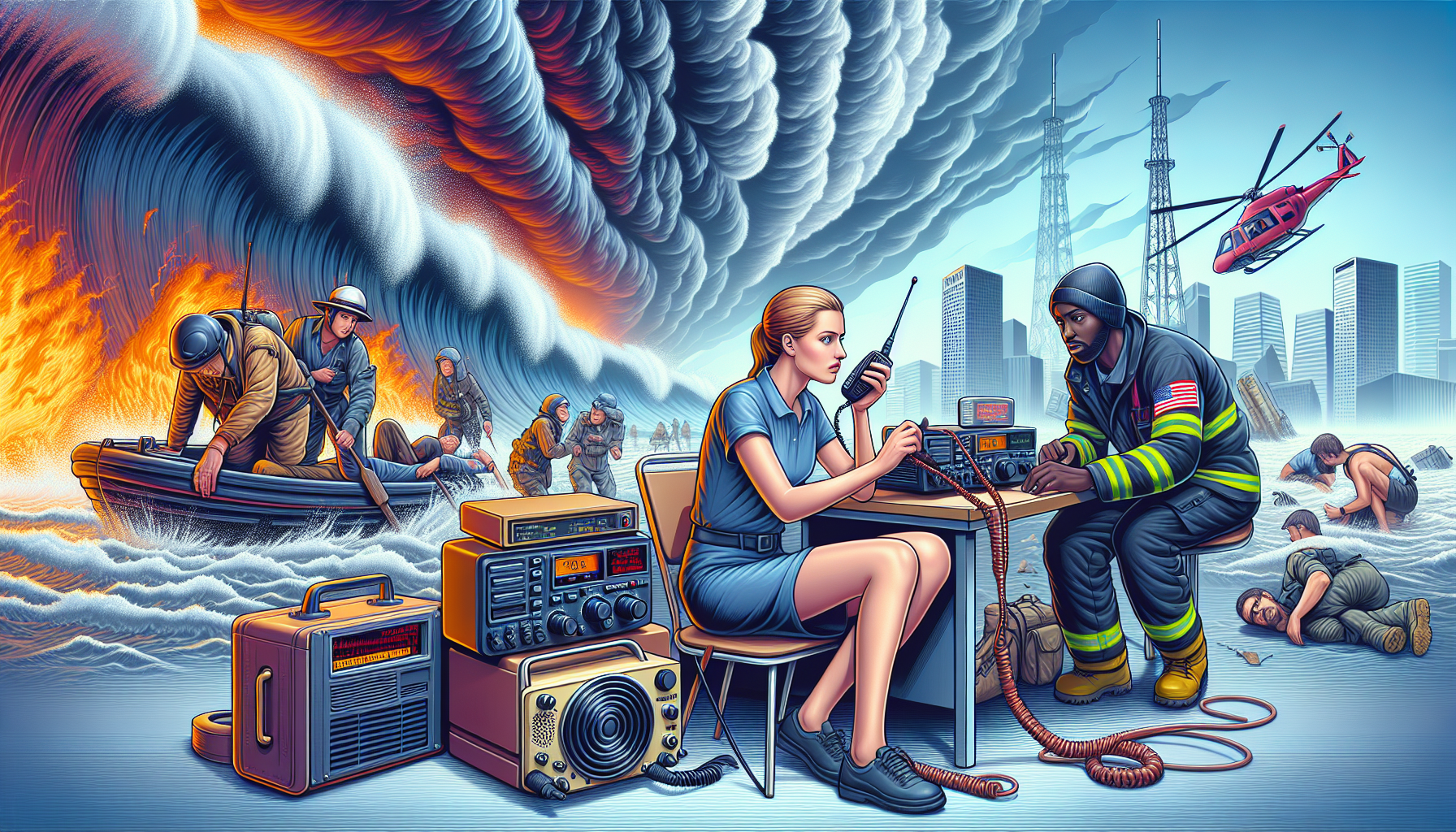
During emergencies, traditional communication networks may fail. Ham radio operators play a vital role in providing essential communication services. Here are several ways ham radio can be lifesaving:
1. Backup Communication Network
In the event of natural disasters like hurricanes, earthquakes, or floods, cell towers and internet services may become inoperative. Ham radio provides an independent communication network that can relay vital information like emergency alerts and updates.
2. Local Community Support
Ham radio operators often work with local emergency services to support community needs. They can assist in:
- Coordinating disaster response efforts.
- Relaying information about affected areas.
- Providing situational awareness to officials.
3. Personal Safety
In times of crisis, individuals may find themselves in life-threatening situations. Ham radio can help:
- Request emergency services when traditional communication fails.
- Connect families separated during emergencies.
- Coordinate search and rescue operations.
Real-Life Examples of Ham Radio in Action
Hurricane Katrina
During Hurricane Katrina in 2005, ham radio operators played a significant role in disaster response. With conventional communication systems down, ham radio networks facilitated communication among first responders, emergency shelters, and the general public.
California Wildfires
In recent years, California wildfires have demonstrated the effectiveness of ham radio. Operators provided crucial updates and coordinated efforts between firefighters and residents, ensuring safety and timely information dissemination.
How to Get Started with Ham Radio
1. Obtain a License
Research your country's licensing requirements and study for the necessary exam.
2. Purchase Equipment
Invest in a basic transceiver, antenna, and power source. Beginners can also consider starting with handheld radios.
3. Join a Local Club
Connecting with a local amateur radio club can provide valuable resources, training, and community support.
4. Practice Regularly
Regular practice enables effective use of equipment and familiarizes operators with emergency procedures.
The Importance of Training
While owning ham radio equipment is essential, training is equally crucial. Understanding emergency communication protocols can enhance effectiveness during crises.
- Attend workshops and training sessions.
- Participate in emergency drills with local agencies.
- Keep skills sharp through regular practice.
Conclusion
Ham radio is an invaluable resource in emergency preparedness. With its ability to provide reliable communication when other systems fail, it can truly save lives. By educating oneself about ham radio, obtaining a license, and preparing with the right equipment, individuals can contribute significantly to their community's safety in times of crisis.
💬 Comments
0🔒 You must be signed in to view and post comments.
👤 Sign In to Comment