
Introduction
If you're a ham radio enthusiast looking to build your own HF (High Frequency) antennas, you're in the right place. This beginner's guide will introduce you to the essential tools you'll need to get started on your DIY antenna projects.
Why Build Your Own HF Antennas?
Building your own HF antennas can provide a significant advantage in terms of performance, cost, and personal satisfaction. A custom-built antenna tailored to your specific needs often outperforms commercial options. Here are a few reasons to consider going the DIY route:
- Cost-effective solutions
- Customized designs for specific frequencies
- Improved performance
- Learning experience
Essential Tools for Your DIY HF Antenna Project
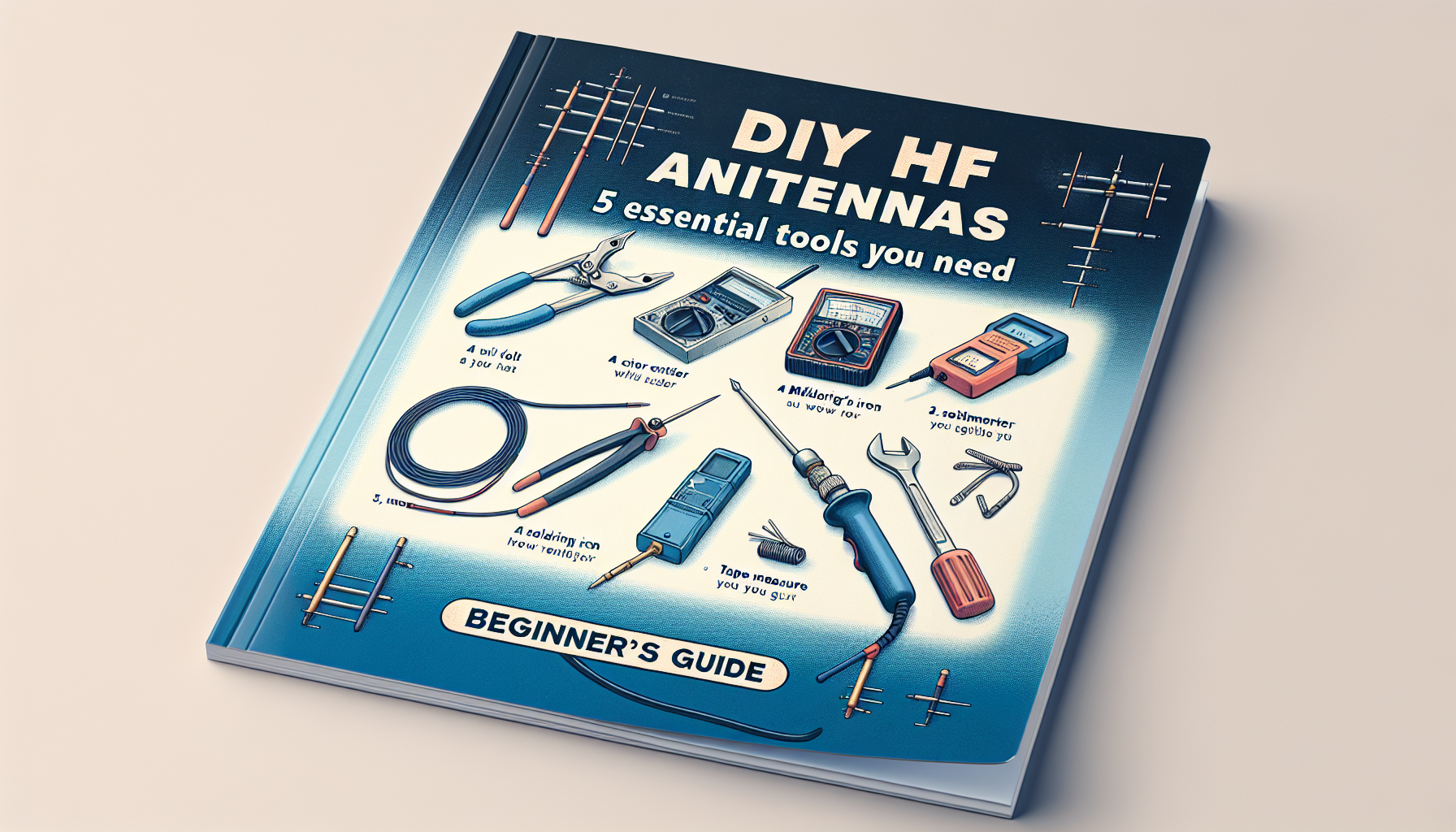
Before you start crafting your HF antennas, you'll need to gather some essential tools. Here’s a list of five must-have tools:
1. Antenna Analyzer
An antenna analyzer is crucial for measuring the impedance of your antenna system. It helps you determine how well your antenna is tuned to the desired frequency. This tool aids in:
- Adjusting the antenna for optimal performance
- Diagnosing issues with SWR (Standing Wave Ratio)
- Ensuring safe operation of your radio equipment
2. SO239 Connectors & Cable
Quality connectors and coaxial cable are necessary for connecting your antenna to your radio. The SO239 connector is a common choice among hams. Be sure to consider:
- Type of connectors suitable for your setup
- Low-loss coaxial cable to maintain signal quality
3. Basic Hand Tools
No DIY project is complete without a set of basic hand tools. Here are some you’ll likely need:
- Wire cutters/strippers
- Screwdrivers (Phillips and flat-head)
- Pliers (needle-nose and regular)
- Tape measure for accurate lengths
4. Ladder or Pole
Installing an HF antenna often requires elevation to achieve optimal performance. A sturdy ladder or pole is essential for:
- Installing vertical antennas
- Raising dipole elements
- Ensuring safety while working at height
5. Tools for Antenna Tuning
Tuning your HF antenna can enhance its efficiency significantly. Below are tools that can assist you in tuning:
- Dummy load for testing
- Tunable matching networks
- Variable capacitors
- Inductors for adjusting resonant frequencies
Tips for Building Your DIY HF Antenna
Now that you have your tools, keep these tips in mind as you build your own antenna:
- Start with simple designs, like dipoles or verticals.
- Make sure to check local regulations regarding antenna installations.
- Consider weather-resistant materials for outdoor antennas.
- Join online forums or clubs for support and advice.
Conclusion
Creating your own HF antennas can be incredibly rewarding and is a great way to enhance your ham radio experience. With the right tools and a little creativity, you can design an antenna that fits your needs perfectly. Happy building!
💬 Comments
0🔒 You must be signed in to view and post comments.
👤 Sign In to Comment